

Markets2,312 words
Data Deals Decoded: Leagues, Books, and the Value of a Stat
What is in this piece — 16 sections
- Cold open — a clock ticks before the snap
- Field notes: what “official” really buys you
- Cast of characters
- The value of a stat, broken down
- Sidebar: when “unofficial” wins
- The data landscape at a glance
- Market microstructure: how books price reality
- Regulation, mandates, and integrity
- Case notes: NFL micro vs. NBA in-play
- For bettors and builders: where edges still live
- Interlude Q&A
- What breaks next: vision, wearables, and collective models
- Editor’s ledger: what to watch in contracts
- Where to learn more
- Tiny footnotes
- Sources & further reading
Cold open — a clock ticks before the snap
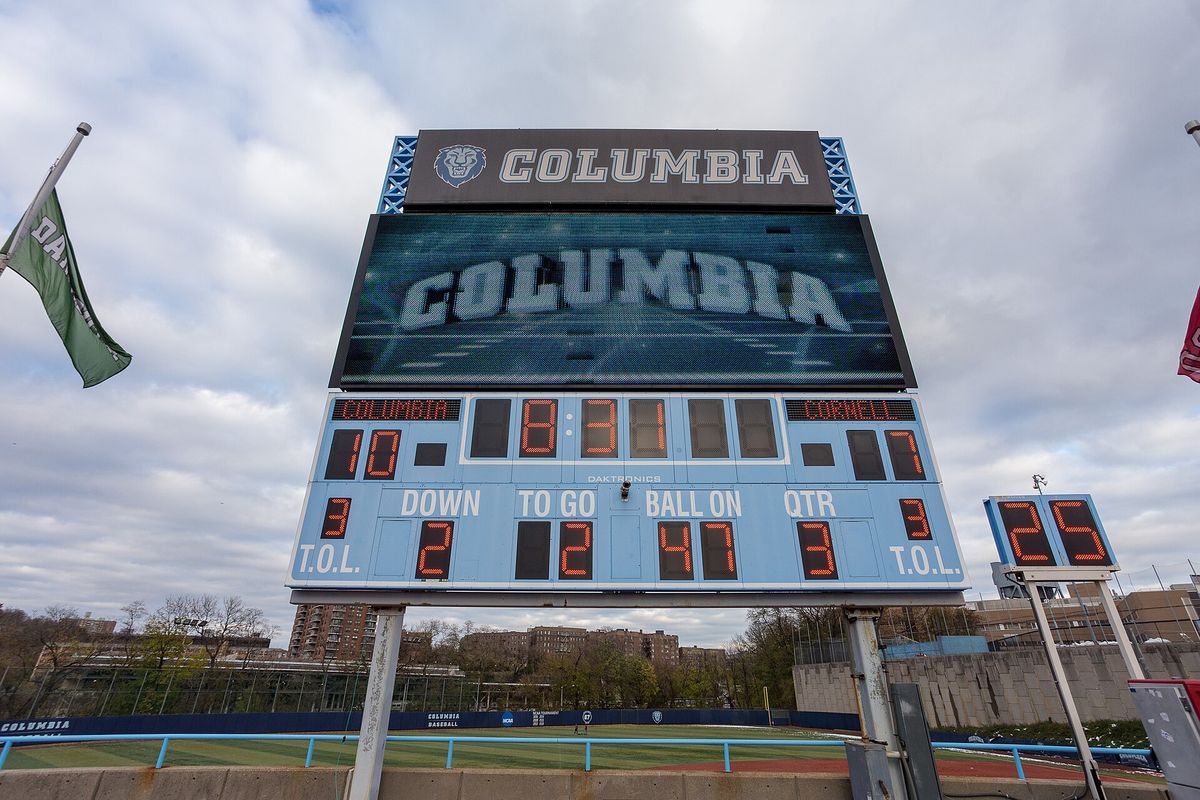
The market moves before you do. On third-and-short, the ball is snapped, and a line shifts in under two seconds. The change is small, but real money is in that blink. “Official data” is not just a logo. It is a time budget. It is a right to use a fact in your model. That is why leagues sign big deals. That is why books care. That is why one stat, at the right speed, can be worth more than a hundred slow ones.
Field notes: what “official” really buys you
When a book pays for an official feed, it buys speed. Not magic, just less delay. It also buys the right to use the stream in the way the contract says. That may include play-by-play, tracking points, player IDs, and clear rules for use. It often comes with service level terms: uptime, error rates, a path to fix bad data, and a contact who can help during a live game.
You also get a clean chain of rights. This matters if you build new markets, such as microbets on the next pitch or the next play. It matters if you create derived stats, like pass probability, or a model score. If the rights allow it, you can make those steps without fear of a take-down. It is also about quality. With official feeds, the league or its partner checks the data. They have tools and staff. Errors still happen, but the process to correct is clear and fast.
Last, official can mean faster settlement and fewer disputes. When the book, the league, and the customer all look at the same event log, payouts are smoother. That saves cost and trust.
Cast of characters
Leagues hold the IP and the events. They license logs, tracking, and marks. They also guard the idea of “integrity.” They want safe markets and fair play. They publish deals and changes. For a sense of how the NFL frames this space, check the NFL Newsroom for official data strategy notes and partner news.
Data partners act as bridges. Names you will hear: Sportradar, Genius Sports, Stats Perform, IMG ARENA. They sign with leagues, collect and clean data, and sell it on. For example, see Sportradar’s global partnership announcements to track league tie-ups and product scope over time.
Books turn data into odds. Trading teams set models, prices, and limits. Risk teams manage exposure and watch flow. Product teams build the front end and pick which markets to show. The pipeline is fast: data in, model out, price on site, and then repeat.
Bettors split into many types. Some hunt small edges in props. Some do live only. Some stick to pre-game. Some build models and scrape. A few run group ops. Many just want fun and clear rules. All of them, pro or casual, feel the lag. And most of them do not care what a press release says. They care if a line is fair and if the payout is smooth.
The value of a stat, broken down
What is a stat worth? Start simple: a stat is a fact with time on it. If it comes fast and clean, it can move a price. If it comes slow or with noise, it is worth less. Value also depends on use. A made three in the NBA has short life. A pitch type in MLB can live for a full at-bat. A player speed tag can feed many props. Each stat’s worth is a blend of speed, truth, and reach.
Speed vs. accuracy is the main trade. In live markets, 100 ms can matter. It sounds small, but it stacks. Think of a drive in the NFL. Snap, gain, huddle, motion, snap. A two-second edge over the screen gives you one more breath to act before the price jumps. Now add one more second of delay. That is one more chance for the book to re-price and for your edge to shrink. In pre-match, speed is less key, but accuracy is still king.
Uniqueness adds lift. If you are the only one with a stat, or you can model it into a new feature first, you get a window. But that window shuts once the market learns it. This is why books and pro bettors both read industry work. For broad trend context, see the Deloitte sports industry outlook on data, media, and new bet types. For research roots and fresh ideas, the MIT Sloan Sports Analytics Conference is a good bar to clear.
Reproducibility sets the floor. If a rival can build the same stat from the same feed and video in a week, the value falls. If it needs rare skills or rare rights, the value holds longer. And last, consider fit. Does the stat map to markets you can trade at scale? Moneylines, totals, and spreads have deep flow but more eyes. Micro markets and props have less flow but also less crowd. Choose with care.
Sidebar: when “unofficial” wins
Not all wins need official labels. A smart team can build value from open video, public logs, and smart vision. Some use computer vision and tracking from broadcast feeds to make fresh stats. Others crowdsource key events for niche leagues. If they manage quality and speed well, they can beat slow “official” feeds on narrow markets. For a view on computer-vision style innovation, browse Stats Perform’s work on Opta and vision-led models at Stats Perform.
The data landscape at a glance
Below is a quick scan of major sources and what you tend to get. This is not legal advice, and deals change. Always check the latest terms with the vendor. For background on NFL data scope from the vendor side, start at Genius Sports. For tennis and fight sports, see recent IMG ARENA news posts and releases.
| Genius Sports | League data distribution; live data tools | Top US leagues; play-by-play; some tracking | ~1–2s in-play (sport + venue vary) | Fixed fees; tiers by SLA; add-ons | Use in odds; some derivatives per deal | Integrity services; alerts; audits | NFL micro; in-play pricing; media use | Regional limits; rights shift over time |
| Sportradar | Global data and streaming; tools | US + global leagues; props; player data | ~1–3s in-play; pre-match batch fast | Min guarantees; rev share options | Redistribution rules vary by tier | Monitoring; integrity reports | Pre-match models; in-play breadth | Blackouts; video rights split by region |
| Stats Perform (Opta) | Opta event + tracking; CV features | Soccer depth; US sports props; vision | ~1–3s live; rich pre-match archives | Tiered licenses; data + media packs | Derived metrics often allowed with credit | Integrity tools; QA workflows | Props; player metrics; media content | Scope depends on league rights |
| IMG ARENA | Official data + streams (e.g., tennis) | Tennis tours; golf; UFC; venue sensors | Sub-second to ~2s (venue tech driven) | Licenses per sport; add-on streams | Odds use; replay; some derivative rights | Integrity with tours; alerts | Micro markets; point-by-point | Event-by-event availability; time zones |
| League Direct | Data from league-run portals | Official logs; sometimes tracking | Varies; can be very fast on site | Custom or tendered contracts | Strict; often limited redistribution | League-led review and rules | Settlement; dispute clarity | Terms change; limited support hours |
Note: rights and partners change. Always confirm current terms with the provider and the league. Latency depends on sport, venue tech, and your network path. Sub-second claims often include on-site or direct lines.
Market microstructure: how books price reality
Here is the loop: event happens, feed arrives, model updates, price moves, and orders hit. In liquid leagues, this loop runs many times per minute. If the loop has low lag and clean inputs, the book can hold tight markets. If the loop is slow or messy, the book must pad the spread, cut limits, or pull the market after key plays.
Most shops mix vendor feeds with their own models. They also add human checks at big moments. They smooth with risk rules and auto-hedge. If data gets old fast—think NBA runs—edge leaks out unless re-prices fire in time. Integrity and dispute controls also sit here. The American Gaming Association keeps a broad view on safe market practice and data use, which many operators use as a north star.
Settlement speed matters, too. When the market knows how a book will settle strange plays, it can price risk. Clear rules cut back-office costs. Fuzzy rules turn into slow pay and bad trust. Good contracts tie data terms to clear settlement notes for props and micro.
Regulation, mandates, and integrity
Some markets push for “official data” by law or by deal. The idea is simple: reduce disputes, align on facts, and fund checks. Mandates can raise costs, but they also lift trust. When done well, they improve product quality. When done poorly, they slow new ideas.
Watch integrity reports and guidance to read the room. The IBIA integrity reports show where risk flags pop up by sport and region. The UK Gambling Commission guidance covers fairness, data use, and consumer safety. These do not tell you how to build odds, but they shape what “good” looks like to a regulator and to the public.
In short: official data is not a cure-all. It is one tool in a wider system that must balance price, speed, rights, and safety.
Case notes: NFL micro vs. NBA in-play
NFL drives are chunky. One snap can flip win chance a lot. Micro markets, like “next play pass or rush,” live on sub-two-second windows. Here, “fast and right” is vital. Tracking data also helps. See NFL Next Gen Stats for a taste of route, speed, and space data that can feed props and post-game models.
NBA is flow. Possessions come fast, and runs move totals up and down in waves. Pace and usage change by lineup and fatigue. Oddsmakers need fast play-by-play, plus strong priors on players and minutes. For base rates and tempo context, check NBA pace and possession stats. A one-second delay in NBA live totals means more stale quotes than in NFL, because more events happen per minute. Books fight this with lighter limits during bursts and with auto-suspends on key events.
For bettors and builders: where edges still live
Latency trades are hard now. The easy “screen vs. stream” gap is small. But edges remain. You can find them in props with less flow, in roster news and rest, in niche leagues, and in better models for player roles. You can also improve by cleaning your own inputs: flag bad clocks, adjust for junk time, and track lineup combos by hand when feeds lag.
Build your own “truth log” for the leagues you play most. Test how fast each book moves after key events. Note rules on voids. Keep notes on error cases. Small process wins add up over a season.
Interlude Q&A
Do I always need official data? No. For some pre-match work, public data and video can be enough. For live micro, official speed often pays for itself.
Is depth better than breadth? If budget is tight, pick depth in one sport you know well. Depth makes real edges. Breadth spreads you thin.
What is a good first audit? Measure end-to-end delay from event to your screen. If you do not know your lag, you do not know your edge.
What breaks next: vision, wearables, and collective models
Three shifts are coming. First, computer vision on video will make more cheap, rich stats. Second, tracking from wearables or smart venues will add new signals like load, strain, or space control. Third, collective models—built by fans, media, or open groups—will push fresh ideas into the wild fast. This is good for the product, but it narrows edge windows. It also raises hard questions on consent and privacy.
Money will chase the firms that blend rights, tech, and product best. For market context and risks, see recent Financial Times coverage of sports data firms. For model craft and tests, the Harvard Sports Analysis Collective is a steady source of applied work. Expect more mix of AI and human review, not AI alone. Expect more demand for “explain” buttons on model outputs. And expect faster contract cycles as leagues see data as core media, not a side show.
Editor’s ledger: what to watch in contracts
- SLA clarity: uptime, error windows, hotfix paths, who pays if targets are missed.
- Latency caps: measure from event to your ingest. Ask for test tools and logs.
- Rights to derivatives: can you make and own models and derived stats?
- Sub-licensing: can you share data inside a group or with vendors?
- Settlement rules: tie feed fields to your bet rules to cut disputes.
- Integrity hooks: alerts, audit trails, freeze steps, contact trees.
- Change clauses: how often can terms or formats change? With what notice?
- Exit plan: data escrow, format maps, and time to unwind.
Where to learn more
If you build odds or price risk, follow league press rooms, vendor blogs, and strong research hubs. The links above are a good start. Also, check conference decks and post-mortems after big events. They show where systems break and where gains were made.
If you want a simple guide to pick a sportsbook, compare product depth, and see line quality across regulated markets in Spanish-speaking regions, use this independent review hub—leer más aquí. It is a clear, no-hype index to compare basics before you sign up. We have no ties to the leagues or data vendors noted in this article.
Tiny footnotes
Rights change. Partners change. Latency claims are lab numbers unless you test them end-to-end in your stack. Product fit matters more than brand names. Do not chase “official” for the badge alone. Chase it when it moves your customer experience, your disputes, and your cost curve the right way.
Sources & further reading
- NFL official communications and partner updates: NFL Newsroom
- League partnership press releases: Sportradar press releases
- Industry trend scan: Deloitte sports industry outlook
- Research conference: MIT Sloan Sports Analytics Conference
- Computer vision and Opta work: Stats Perform
- NFL data partner overview: Genius Sports
- Tennis and fight sports data: IMG ARENA news
- Market integrity and policy: American Gaming Association
- Integrity alerts: IBIA integrity reports
- Regulatory guidance: UK Gambling Commission guidance
- NBA pace references: Basketball-Reference
- Tracking examples: NFL Next Gen Stats
- Market and company context: Financial Times
- Applied analytics: Harvard Sports Analysis Collective