

Boston & Community628 words
CORI checks and the mentoring night
The test is not “does this adult work with children”. It is “direct and unmonitored contact” — and the organisation that runs the check owes the person checked more than people expect.
What is in this piece — 6 sections
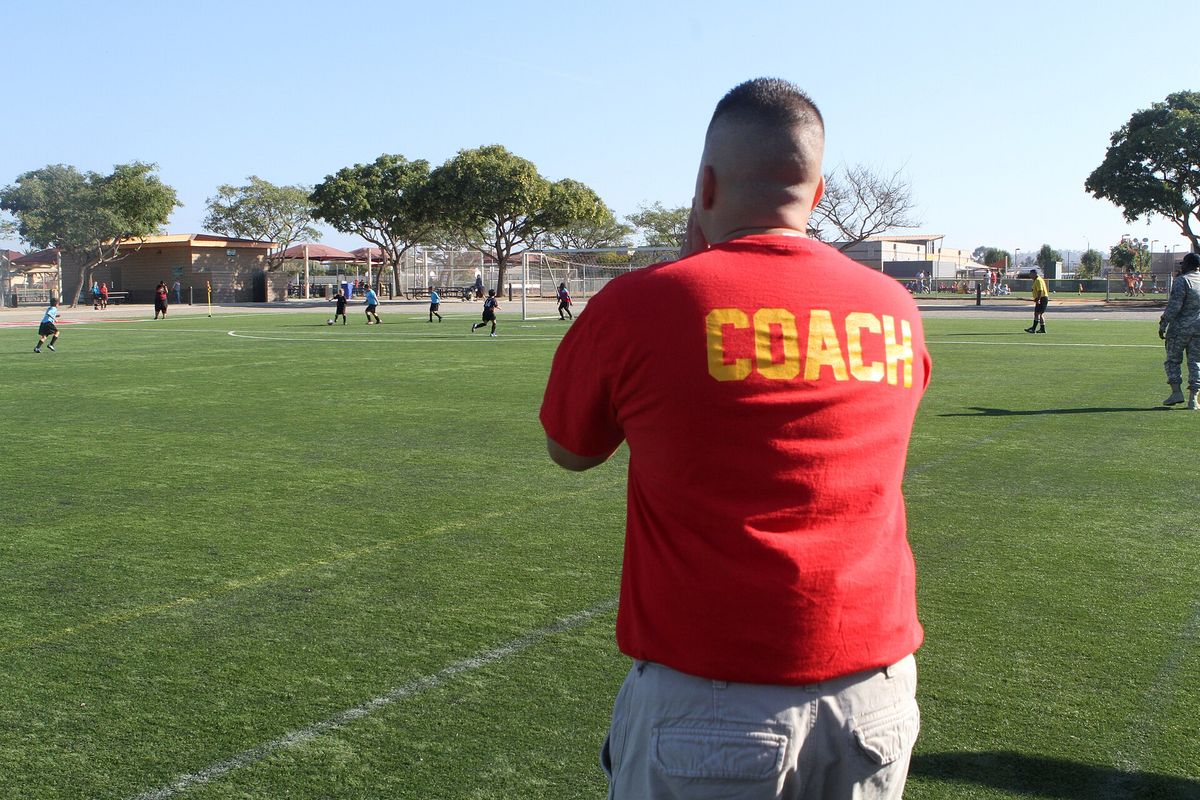
An evening where adults sit down with young people is the most ordinary thing a community program does, and it is also the point where Massachusetts law is most specific. Screening for it is governed by M.G.L. c.6 §172, and the questions it answers are narrower than the ones people usually ask.
The test is contact, not role
The phrase that decides who gets checked is direct and unmonitored contact with children. It is not about job titles, pay, or how senior someone is. A volunteer who will spend part of the evening alone with a young person is inside the test; a volunteer who will set out chairs in a room full of staff is not. Organisations that screen by role rather than by contact tend to get this wrong in both directions at once — checking people they need not check, and missing someone whose actual duties put them alone with a child.
Who may run the check at all
CORI is not a public database. An organisation must be registered with the Department of Criminal Justice Information Services and is granted a defined level of access for a stated purpose — volunteer screening being one of them. Requests go through the state's iCORI system, not through a commercial background-check vendor's own files. The practical consequence: two organisations screening the same volunteer may lawfully see different amounts of record, because their registered access levels differ.
What the organisation owes the person
This is the half that gets left out of volunteer handbooks, and it is the half that matters to the person being screened.
- The subject signs a CORI acknowledgement form before the check is run. Consent is documented, not assumed.
- The organisation must have a written CORI policy and apply it consistently. DCJIS publishes a model policy for exactly this reason.
- If the record is going to be used against the person, they must be shown it and given the chance to say it is not theirs or not accurate. Identity confusion is the most common problem with any criminal record system, and the dispute route exists because of it.
- The information is confidential and may not circulate inside the organisation beyond the people who need it for the decision.
Massachusetts programs that publish their policies generally re-run volunteer checks on a three-year cycle. That is a published practice rather than a figure we invented: the policy linked below states it, and it is a reasonable thing to ask any program for.
What a CORI check is not
It is a Massachusetts criminal record check. It is not a national check, not a driving record — programs that need a driving history request that separately from the Registry of Motor Vehicles — and not a judgement about suitability. The record is an input to a decision the organisation still has to make and document.
What to ask before you volunteer, or before you send your child
- Who here has direct and unmonitored contact? A program that can answer this by name has thought about the right question.
- May I see the written CORI policy? It should exist and should be shareable.
- How often are checks repeated? Three years is the common answer.
- What happens if a record comes back? The answer should include showing it to the person and letting them respond.
The project's own mentoring evening with the Celtics Shamrock Foundation is described on its own page, with the funding side on the grant program page and the organisation itself on the about page. The paperwork that makes the money public is covered in Form PC and Schedule I. Desk index: Boston & Community; full index: the archive.
What we read
Every figure above comes from one of these documents. If a number is not in them, it is not in this piece.