

Rules & Strategy691 words
The coach's challenge: what is reviewable
Coaches do not get to challenge whatever they like. Three specific calls, one immediate timeout, a twirled finger — and a second attempt that is priced differently from the first.
What is in this piece — 6 sections
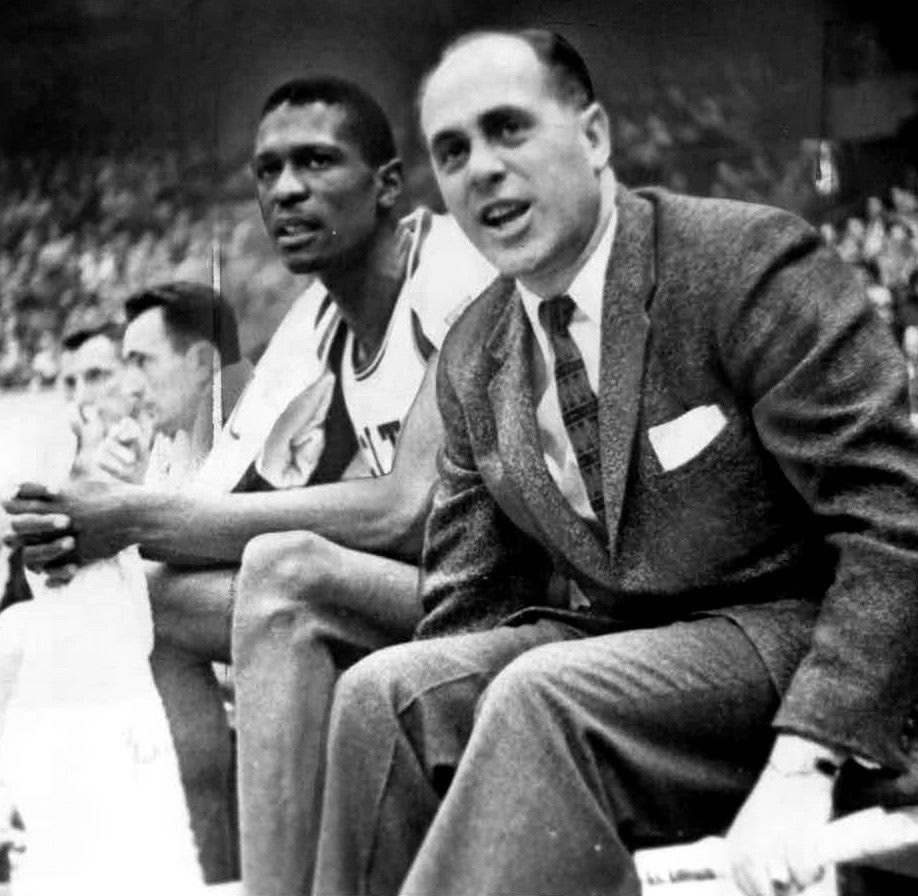
The coach's challenge looks like a general right of appeal and is nothing of the kind. It is a narrow instrument with three triggers, a fixed price and a specific gesture, and knowing its limits explains most of the moments when a coach visibly wants to challenge something and does not.
The three challengeable calls
A team may use its challenge to trigger an instant-replay review of exactly three things:
- a called foul against its own team;
- a called out-of-bounds violation;
- a called goaltending or basket-interference violation.
The pattern across all three is the word called. The challenge reviews a whistle. It does not conjure one. A foul the officials did not call is not reviewable by a coach, which is why the most-complained-about plays in any game — contact nobody whistled — sit permanently outside the system.
Goaltending and basket interference have an extra wrinkle: in the last two minutes of the fourth period and of any overtime, replay of those calls is triggered by the officials themselves rather than by a coach.
The price
To challenge, a team must immediately call a timeout, and the head coach gives the visual signal — an index finger twirled toward the referees — while saying which call is being challenged. The timeout is the admission fee, and the sequencing is strict: the timeout comes first, and the signal has to be unambiguous.
The second challenge is priced differently from the first. A team does not retain the timeout used to initiate a second challenge, whether or not it succeeds. The league's stated reason is game flow and length rather than fairness — which is a useful thing to know, because it means the asymmetry is deliberate rather than an oversight.
What the 2024-25 change added
From the 2024-25 season, when a coach's challenge triggers replay of an out-of-bounds violation, the officials and the Replay Center may also look at whether a foul proximate to that violation should have been called. This is a genuine widening — a challenge on one question can now resolve a second, adjacent one — and it is the exception that proves the rule above: the foul becomes reviewable only because a reviewable call was already on the table.
How to watch the mechanism correctly
- Was there a whistle? If not, no challenge is available, however obvious the contact.
- Whose foul? A team challenges a foul called against itself.
- Did a timeout go first? If a coach signals without the timeout, the challenge does not start.
- Is this their second? If so, the timeout is gone regardless of the outcome — which changes whether asking is worth it with ninety seconds left and one timeout in hand.
Why the list is short on purpose
Every item added to the reviewable list costs stoppages, and stoppages are the thing the league has said it is managing. That is the stated reason the second challenge does not return the timeout — game flow and game length — and it is the same reason the triggers are tied to a whistle rather than to a result. A rule that allowed a coach to challenge the absence of a call would make every possession reviewable, because a missed call can be alleged on all of them.
The one exception runs the other way and is worth knowing: in the last two minutes, officials themselves may trigger a review for goaltending and basket interference. The league took the judgement that matters most at the moment it matters most and kept it away from the coaches entirely, rather than widening what a coach may ask for.
So the honest summary of the system is not “mistakes get fixed”. It is: a narrow class of called fouls and out-of-bounds decisions can be revisited once, at the cost of a timeout, plus a small set of late-game situations the officials police themselves. Everything outside that stands as called.
What a replay centre can fix and what a scorer's judgement decides are different problems, and the second one is in the assist piece. The code differences that produce entirely different review systems are in NBA against FIBA. Desk index: Rules & Strategy; full index: the archive.
What we read
Every figure above comes from one of these documents. If a number is not in them, it is not in this piece.